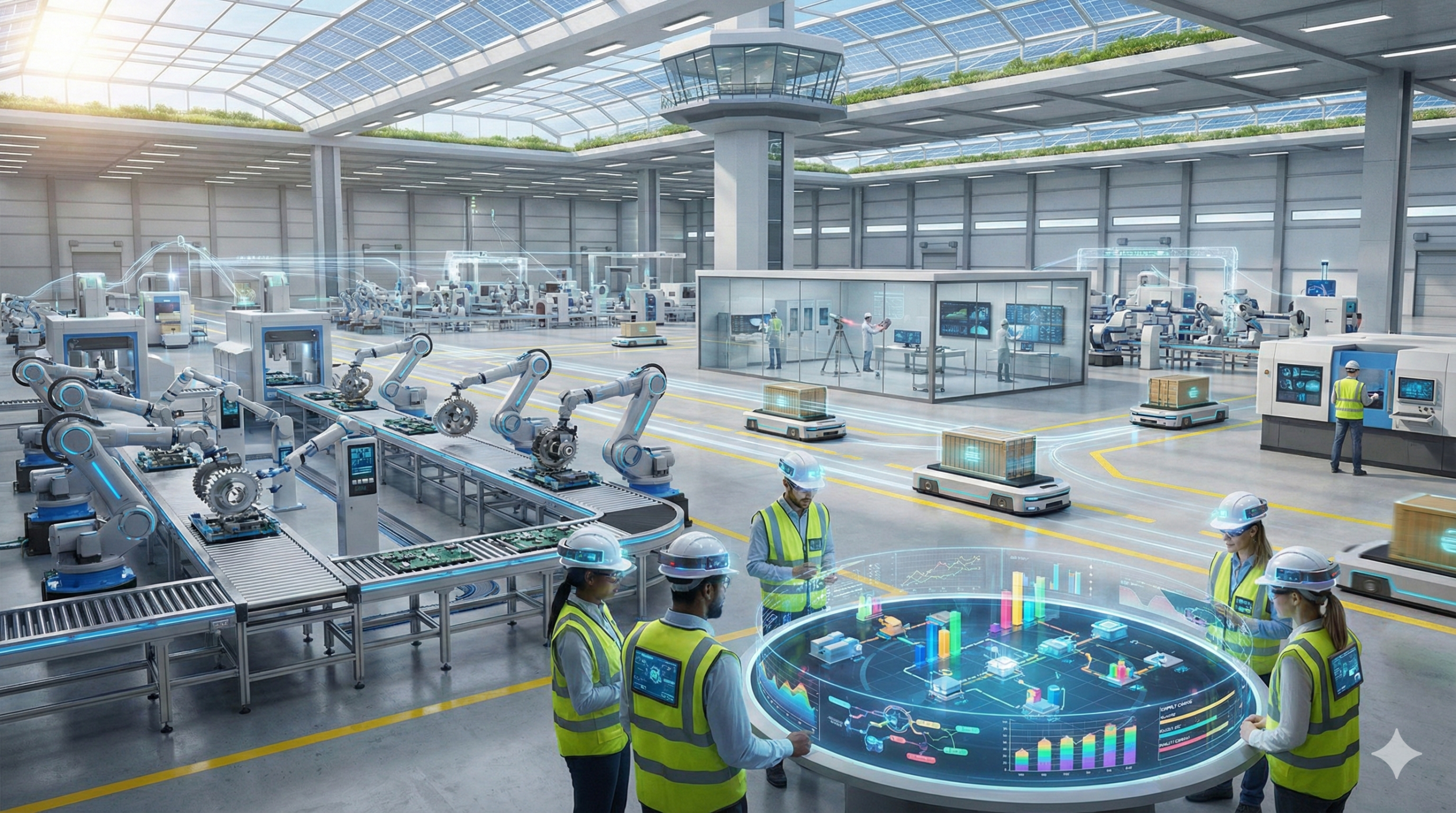
Manufacturing is one of the fundamental building blocks of global trade and industrial development. In today’s competitive and rapidly changing market conditions, a successful manufacturing process is directly related not only to production capacity but also to quality standards, technology usage, process management, and strategic planning. Therefore, manufacturing activities should be approached from a holistic and long-term perspective.
The modern understanding of manufacturing encompasses not only physical production but a broad structure extending from the design phase of the product to the supply process, from quality control mechanisms to operational efficiency. A well-managed production process provides both cost advantages and forms the basis of sustainable competitive strength in international markets.
Strategic Manufacturing Approach
Manufacturing processes should be structured according to the unique needs of each sector and product group. Developing product-based, sector-focused, and market-condition-adapted production models is of great importance, rather than standard solutions. This approach ensures that production processes become more controlled and predictable.
The primary goal in a strategic manufacturing understanding is to position production not merely as an operational activity but as a value-creating process. Through proper planning and process management, quality continuity is ensured, defect rates are reduced, and resource usage is optimized. This structure forms the foundation of long-term growth and stability.
Quality-Focused Production Understanding
Quality is an indispensable element in manufacturing processes. Products accepted in international markets must comply with specific technical standards and quality criteria. Therefore, quality control mechanisms should be integrated into every stage of the production process.
The quality-focused production understanding is not limited to merely inspecting the final product. All stages, from raw material input to the production line, from intermediate checks to final tests, are meticulously evaluated. This approach enables early detection of potential errors and contributes to the formation of a reliable production structure in the long term.
Technology and Efficiency
Evolving production technologies significantly increase efficiency in manufacturing processes. Automation systems, digital monitoring tools, and data-based production models allow processes to be managed more quickly, controlled, and transparently.
The efficiency-focused manufacturing approach not only increases production speed but also optimizes energy and resource usage. This way, both costs are reduced and environmental impacts are minimized. Today, sustainability has become an inseparable part of manufacturing processes.
Sectoral Manufacturing Areas
Manufacturing activities have a broad application area in different industrial sectors. The main manufacturing-focused sectors are:
-
Industrial equipment and machinery production
-
Production for energy and power systems
-
Custom manufacturing for engineering and construction projects
-
Technical component and system production for the defense industry
-
Project-based, custom-designed industrial products
Each sector contains its own technical requirements and quality standards. Therefore, manufacturing processes should be executed with expertise that masters the dynamics of the relevant sector.
Supply Chain Integration
A successful manufacturing structure must be supported by a strong and integrated supply chain. It is of great importance that all stages, from raw material procurement to the production process, and from production to the end user, work in harmony with each other.
Integrated supply chain management ensures production continuity and prevents potential disruptions. Especially in manufacturing activities targeting international markets, this structure provides a strategic advantage. Proper planning of processes increases the predictability of delivery times.
Risk Management and Process Control
Risk management is an important part of operational success in manufacturing processes. Elements such as raw material supply, production capacity, quality continuity, and market demands must be continuously analyzed. Based on these analyses, processes are dynamically updated.
Thanks to process control mechanisms, production lines operate more efficiently, unexpected downtimes are minimized, and quality standards are maintained. This structure ensures that production costs are kept under control in the long term.
Sustainability and Long-Term Value
Today, manufacturing is evaluated not only by production quantity but also by criteria such as sustainability, environmental responsibility, and long-term value creation. The efficient use of resources, waste management, and energy savings are among the fundamental components of the modern manufacturing understanding.
The sustainable production approach reduces environmental impact and strengthens the perception of reliability in global markets. This understanding contributes to the formation of long-term collaborations and permanent commercial structures.
Properly structuring manufacturing processes does not only meet today’s needs; it creates a robust and flexible industrial structure for the future. This approach is one of the fundamental keys to competitiveness on a global scale.